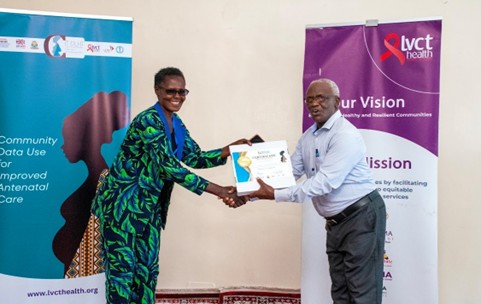
Every conversation, every home visit, every referral is a chance to change the story of pregnancy care. When community health promoters and facility health staff work hand in hand, every contact truly counts.
Introduction
Within the vibrant communities of Homa Bay County, a new approach is transforming maternal health care. Community Health Promoters (CHPs) are leading a quiet revolution, ensuring every encounter with health services is valuable and worthwhile.
Having worked with the C-IT-DU-IT initiative, I have witnessed firsthand how CHPs are transforming maternal and child health in Homa Bay by successfully collaborating, adapting innovative approaches and, most of all, with relentless dedication.
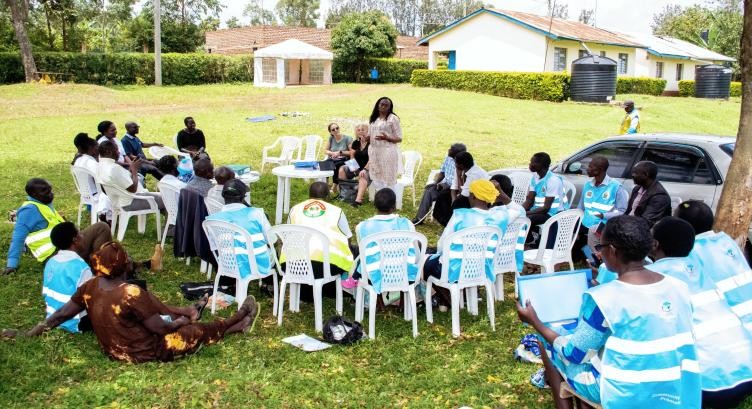
Through collaboration with CHPs, Community Health Assistants (CHAs) who supervise CHPs and facility staff, pregnant women are reached and served in ways previously unimagined. “When CHPs, CHAs and facility teams unite, it builds trust, strengthens services and saves lives,” Nicholas Osoo, CHA.
This spirit of collaboration has reshaped how communities engage with maternal care in Homa Bay County.
Background
Maternal and child health challenges in Homa Bay County mirror those seen across and underserved regions globally, especially in Sub-Saharan Africa: limited access to health facilities, cultural barriers, and shortage of skilled health care workers. Overcoming them has meant finding strength within the community itself. CHPs have stepped forward as changemakers by linking mothers to clinics, sharing vital health knowledge, and proving that local leadership can drive lasting impact.
The Role of Community Health Promoters
CHPs have gone beyond the traditional health education roles. They are change catalysts, advocates for mothers, and community trusted link people. Through their actions, pregnant women are not only made aware of antenatal care (ANC) but are also enabled to access timely services, especially in hard-to-reach communities.
During a just concluded C-it-DU-it Learning event, it was evident that facilities using this collaborative strategy have seen major improvements: more women are completing eight ANC contacts as indicated, and more are starting ANC earlier than 16 weeks of pregnancy.
Pain Points in Maternal and Child Health
Despite dedicated health workers, there are several areas for improvement in Homa Bay County:
- Inaccessibility of health facilities in hard-to-reach areas
- Personal or cultural barriers to attending ANC on time
- Few skilled health care providers manage maternal complications
Addressing these challenges highlights the value of CHPs in extending the reach of the health system by providing proactive, personalized support that connects underserved communities to essential maternal health services.
Stories of Impact
Consider the story of Ms. Jane Onyach, a CHP with Nyagoro Health Centre. She encountered a pregnant woman who had not attended any ANC sessions because she suffered from a mental health problem. Jane immediately informed the facility Maternal Child Health nurse, who contacted the facility in-charge. Together, they visited the woman at home, provided mental health support, and ensured she received the care she needed. The result? A healthy pregnancy and skilled delivery, which brought a healthy baby into the world.
Equally impressive is the story of Mrs. Jane Auma Sunga, another committed CHP. She Identified a pregnant woman whose relatives were reluctant to support her ANC visits on religious grounds. This left the woman uninsured and unbale to have ANC tests done. In a subsequent follow-up, Mrs. Sunga observed that the woman showed signs of Anaemia: she looked pale, could not walk unaided and had low blood pressure. Despite constant referrals, the woman did not go to the hospital. Realizing the urgency of the matter, Mrs. Sunga informed the CHA of the case. Together they conducted a home visit and helped the family realize how grievous the situation had become. Eventually, the family mobilized some money, and the woman was taken to the hospital for proper care.
“In our community, we rise together: every visit, every dialogue, every act of service moves it forward,” Mrs. Jane Auma Sunga, CHP.
Another CHP whose exemplary work was acknowledged during the C-it DU-it Learning Event is Ms. Florence Helidah Achieng. Within seven months she identified and referred 22 pregnant women early in their pregnancy. Her average household visitation stood at 95% and 9 of the women she identified attained the recommended 8 ANC contacts within six months. This illustrates how consistent community follow-up, early detection and strong linkages with facilities are beneficial for mothers and their babies
These examples reflect how CHPs and facility teams are working hand in hand alongside each other. Beyond addressing individual cases, CHPs also facilitate community outreaches, coordinate vaccine and nutritional access, and serve as vital link between the health system and households.
Take-aways
The success of Homa Bay County points to some important lessons:
- Community engagement is central: Local wisdom ensures health interventions are relevant and effective.
- Collaboration works: Coordination between CHPs, CHAs, and facility staff results in improved maternal health outcomes.
- Every interaction counts: Regular follow-ups and home visits can save lives and result in healthier pregnancies.
Final thoughts In Homa Bay County, Community Health Promoters are not only health workers, but also agents of change. With dedication, innovation, and collaboration, they are showing that community-based health care can transform results for mothers and children. Every contact is an opportunity to make a meaningful difference.
Get Involved