By Marvin Odhiambo, Trial Team-Health Economics
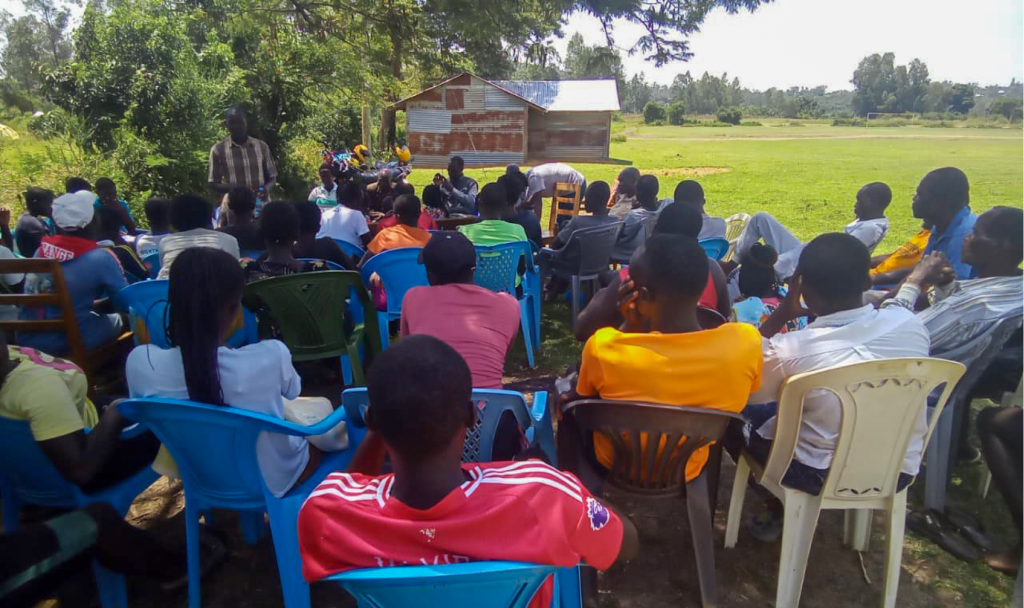
Kenya continues to face high rates of teenage pregnancy, particularly in Homa Bay County. Many young mothers initiate antenatal care (ANC) late due to financial barriers, stigma, and long travel distances. Behind each teenage pregnancy is a girl facing not just physical changes, judgment or isolation but lack of financial support to cater for the costs associated with the pregnancy. Despite Social Health Authority’s (SHA) efforts to make ANC services free, hidden costs such as laboratory fees, registration, and transport remain out of reach for many. Without national IDs, adolescents are excluded from SHA insurance, forcing them to pay out-of-pocket and often delaying essential care.
Antenatal Care: Why It Matters
ANC is a lifeline for both mother and baby. Through regular clinic visits, health workers can monitor the pregnancy, detect problems early, and give mothers vital information on safe delivery and caring for newborns. The World Health Organization recommends at least eight ANC contacts. But in Homa Bay the C-it Du-it study found that only 1 in 40 teenage mothers in Homa Bay completed the recommended 8 ANC visits.
For Atieno, 16*, the challenge was different: “The hospital is far, and I had no money for transport. My aunt told me to wait until the pregnancy was bigger before going. I went only once before I delivered.”
Health workers also confirmed this trend. One nurse in Suba Sub- County explained: “Most of the girls come to us very late, sometimes when they are almost due. They fear being judged or simply don’t have money to pay for ANC services and transport.”Another nurse at Rachuonyo North added: “Many teenage mothers don’t have National IDs or birth certificates, so they can’t register for Social Health Insurance (SHA) to cater for ANC services. Some even start ANC early but drop out because they can’t afford the tests when requested.”
The Risks Associated with Teenage Pregnancy
Teenage girls face greater health dangers during pregnancy than older women. Their bodies are not always ready for childbirth, which increases the risk of complications like anemia, high blood pressure, obstructed labor, or heavy bleeding after delivery.
Babies born to teenage mothers are also more vulnerable, they are more likely to be born too early, too small, or to die within the first month of life.
The impact doesn’t stop at health. Many teenage mothers are forced to leave school, making it difficult to find jobs later. Stigma and rejection from families or communities add to their struggles, trapping many in cycles of poverty.
What Can Be Done?
There is hope. The C-it Du-it study revealed that lack of youth-friendly services and stigma from providers were among the key reasons for low ANC attendance; issues that can be addressed through:
- Youth-friendly health services – clinics should be safe and welcoming places where teenagers are treated with respect and confidentiality.
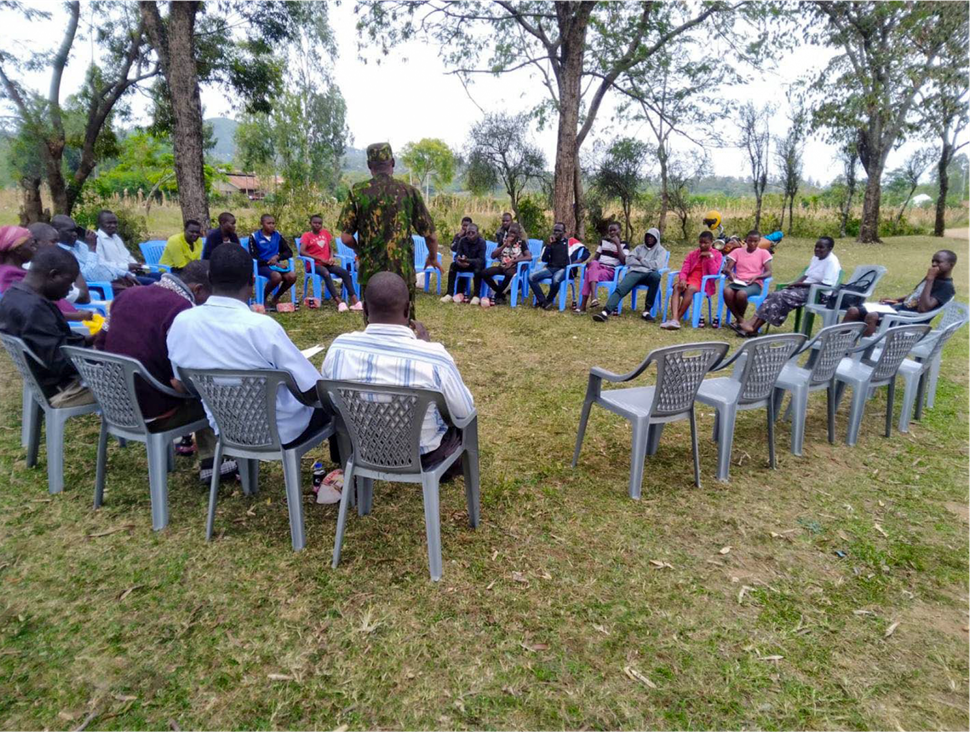
- Community support – parents, teachers, religious leaders, and neighbors need to reduce stigma and encourage young mothers to seek care.
- Education and mentorship – giving young people knowledge about reproductive health and linking them to mentors can help them make informed choices.
- Financial and policy support – free or subsidized ANC services, and school re-entry programs can remove barriers.
- Peer support groups – teenage mothers sharing experiences and encouraging each other can boost confidence and clinic attendance.
A Shared Responsibility
Teenage pregnancy in Homa Bay is not just a health issue. It is a community challenge that calls for everyone’s involvement. If we stand together to break stigma, support young mothers, and make sure they receive the care they need, we can save lives and give girls a second chance at education and a brighter future.
Policymakers and funders also have a vital role to play by strengthening SHA, investing in adolescent-friendly health services, and ensuring that national policies and resources reach the girls who need them most.
Because when we protect our girls, we protect our community.
Name changed to keep personal privacy and anonymity.