Written by J. Jagongo- Kitare
The C-IT-DU-IT (“see it, do it”) study, a collaboration between KEMRI, LVCT Health, the Liverpool School of Tropical Medicine, and Homa Bay County Department of Health, has introduced an innovative approach to improving antenatal (ANC) uptake and outcomes. By strengthening data linkages between community health promoters (CHPs) and facility-based health care workers (HCWs) the intervention is helping pregnant women and adolescents complete the full eight ANC contacts, in line with WHO recommendations.
Linking Community and Facility Data for Action
At Kitare Health Centre, community and facility teams now share real-time information on pregnancies through an integrated data system. CHPs identify pregnancies at the household level, record ANC status and newborn immunisation data, and transmit this information to data clerks, and HCWs at the facility. This linkage allows for timely follow-up, targeted outreach, and seamless referrals for women who miss appointments or require additional support.
Impact: More Women Completing Eight ANC Contacts
Before the intervention, many women in Kitare did not complete the recommended number of ANC visits. With strengthened data integration and consistent communication between CHPS and HCWs, the proportion of women attending all eight contacts has risen significantly. The linked system has made it easier to monitor attendance, identify missed visits early, and address barriers such as transport or lack of awareness.
Improving Quality of Care
Beyond attendance, the project has improved the quality and timeliness of ANC services. Enhanced referral mechanisms ensure that pregnant women reach facilities earlier, where teams are ready to provide standardised care. Key elements included:
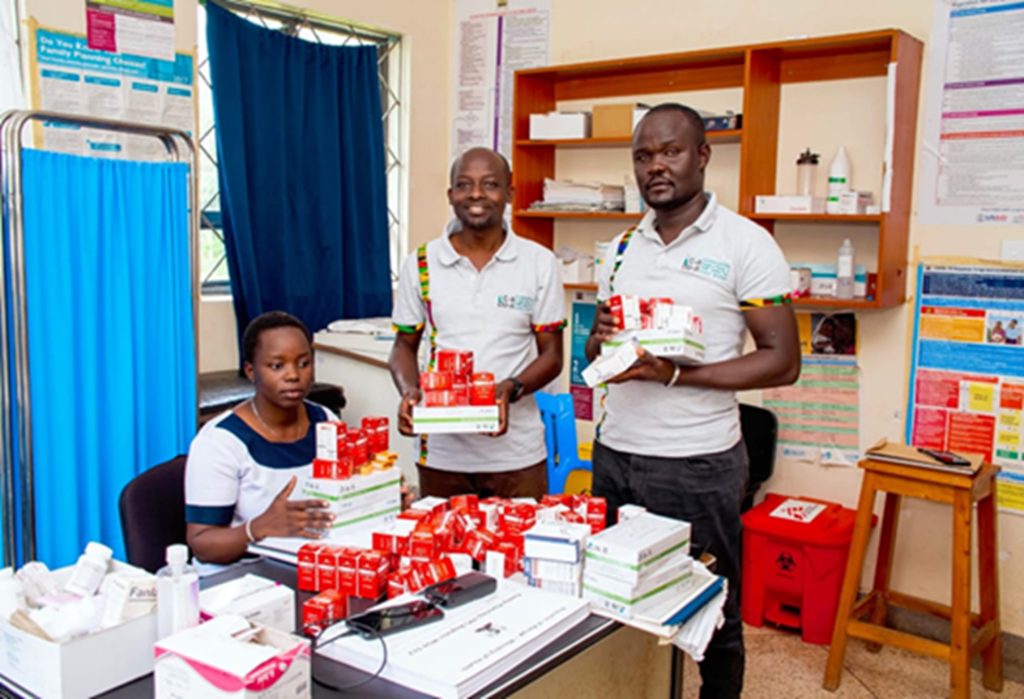
- Continuous availability of iron and folic acid (IFA) supplements to prevent anaemia.
- Regular provision of intermittent preventive treatment for malaria (IPTp) under direct observation.
- Complete ANC “profiles” for timely diagnostic testing and risk screening.
These improvements ensure that each ANC contact adds value to maternal and newborn health.
CHPs have gained new skills in data collection, interpretation, and use for decision making. CHPs now conduct community malaria testing and link results to ANC follow-up. They also play a critical role in encouraging birth preparedness identifying high-risk pregnancies, and referring cases of gender-based violence for appropriate support.
Lessons and Policy Implications
Key lessons
- Early ANC booking remains essential; women who start in the first trimester are far more likely to complete all eight contacts.
- Integration of community and facility data systems improves accountability and responsiveness.
- Continuous communication between CHPs, HCWs, and data clerks drives early referral and consistent care.
For policymakers and implementers
- Scale up models that connect community health promoters networks with facility health information systems.
- Strengthen commodity supply-chains to ensure availability of essential ANC items.
- Address adolescent pregnancies through coordinated community and education sector interventions.
Conclusion
The C-It-Du-It approach demonstrates that when data linkages bridges the gap between community and facilities, the full eight-contact ANC model becomes feasible, even in resources limited settings. Strengthened data systems not only improve service delivery but also empowers communities to protect mothers and newborns through timely, coordinated care.
#CommunityHealthSuccessStory