Story by JohnBosco Omasaja- Clinical Officer and Research Officer, KEMRI
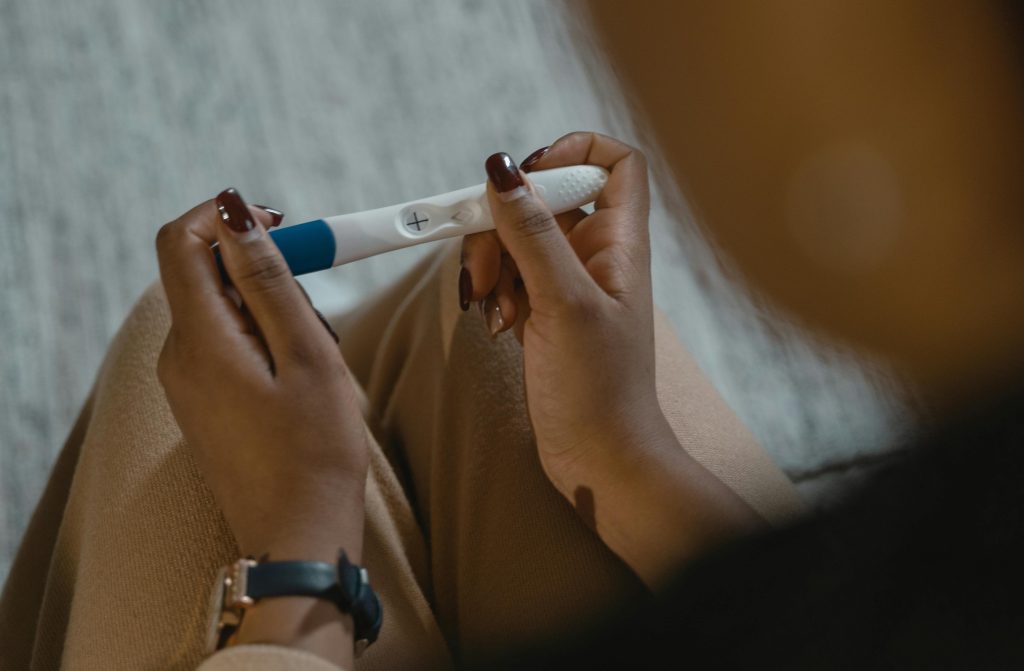
Teenage pregnancy continues to weigh heavily on the lives of young girls in Homa Bay County, often cutting short their education and reshaping their future in unexpected ways. For many, the journey into motherhood begins without the knowledge, support, or resources they need to stay healthy.
A key challenge for most teenage mothers is accessing antenatal care (ANC). While clinic visits are essential for monitoring pregnancy, preventing complications, and preparing for safe delivery, many girls either start ANC late or miss out altogether. Fear of stigma, long distances to health facilities, and lack of financial support often stand in their way.
Behind every teenage pregnancy is a young girl navigating not just the physical changes of motherhood, but also the social and emotional weight of judgment and isolation. And when they are unable to get the right care at the right time, both their health and that of their babies are put at risk.
Antenatal Care: Why It Matters
Antenatal care (ANC) is a lifeline for both mother and baby. Through regular clinic visits, health workers can monitor the pregnancy, detect problems early, and give mothers vital information on safe delivery and caring for newborns. The World Health Organization recommends at least eight ANC contacts. But in Homa Bay, many teenage mothers do not complete all the 8 contacts as recommended, some start when the pregnancy is already advanced, and some only manage one or two visits before giving birth.
Mary, a 17-year-old*, shared her story: “I didn’t even know I was supposed to go for clinic early. By the time I went, I was already seven months. The nurse asked why I delayed, but I was afraid people would see me and laugh.”
For Atieno, 16*, the challenge was different: “The hospital is far, and I had no money for transport. My aunt told me to wait until the pregnancy was bigger before going. I went only once before I delivered.”
Health workers also confirmed this trend. One nurse in Suba Sub- County explained: “Most of the girls come to us very late, sometimes when they are almost due. They fear being judged or simply don’t have money to pay for ANC services and transport.”
Another nurse at Rachuonyo North added: “Many teenage mothers don’t have National IDs or Birth certificates, so they can’t register for Social Health Insurance to cater for ANC services. Some even start ANC early but drop out because they can’t afford the tests when requested.”
The Risks Associated with Teenage Pregnancy
Teenage girls face greater health dangers during pregnancy than older women. Their bodies are not always ready for childbirth, which increases the risk of complications like anemia, high blood pressure, obstructed labor, or heavy bleeding after delivery.
Babies born to teenage mothers are also more vulnerable, they are more likely to be born too early, too small, or to die within the first month of life.
The impact doesn’t stop at health. Many teenage mothers are forced to leave school, making it difficult to find jobs later. Stigma and rejection from families or communities add to their struggles, trapping many in cycles of poverty.
What Can Be Done?
There is hope. Teenage pregnancy is not a problem without solutions. Communities, families, schools, and health workers all have a role to play. Some of the steps that can help include:
- Youth-friendly health services – clinics should be safe and welcoming places where teenagers are treated with respect and confidentiality.
- Community support – parents, teachers, religious leaders, and neighbors need to reduce stigma and encourage young mothers to seek care.
- Education and mentorship – giving young people knowledge about reproductive health and linking them to mentors can help them make informed choices.
- Financial and policy support – free or subsidized ANC services, and school re-entry programs can remove barriers.
- Peer support groups – teenage mothers sharing experiences and encouraging each other can boost confidence and clinic attendance.
Role of C-IT DU-IT Study
To bridge these gaps, the C-it Du-it study, currently underway in Homa Bay County, is working to strengthen uptake of antenatal care among pregnant women, adolescents included. A key driver of this effort is the use of Work Improvement Teams (WITs), which bring together community health promoters, facility staff, and local leaders to review barriers to ANC, track missed or late ANC initiations, and develop practical, data-driven solutions. Through these efforts, WITs are proving to be a powerful quality improvement engine, turning insights into action and making ANC more accessible, supportive, and timely for those most at risk.
A Shared Responsibility
Teenage pregnancy in Homa Bay is not just a health issue. It is a community challenge that calls for everyone’s involvement. If we stand together to break stigma, support young mothers, and make sure they receive the care they need, we can save lives and give girls a second chance at education and a brighter future.
Because when we protect our girls, we protect our community.
Names have been changed to protect privacy.