

LVCT Health Showcases Community-Led Innovations for UHC at KASH 2026: How C-it DU-it (See-it, Do-it) is Enhancing Maternal Health Quality in Homa Bay County
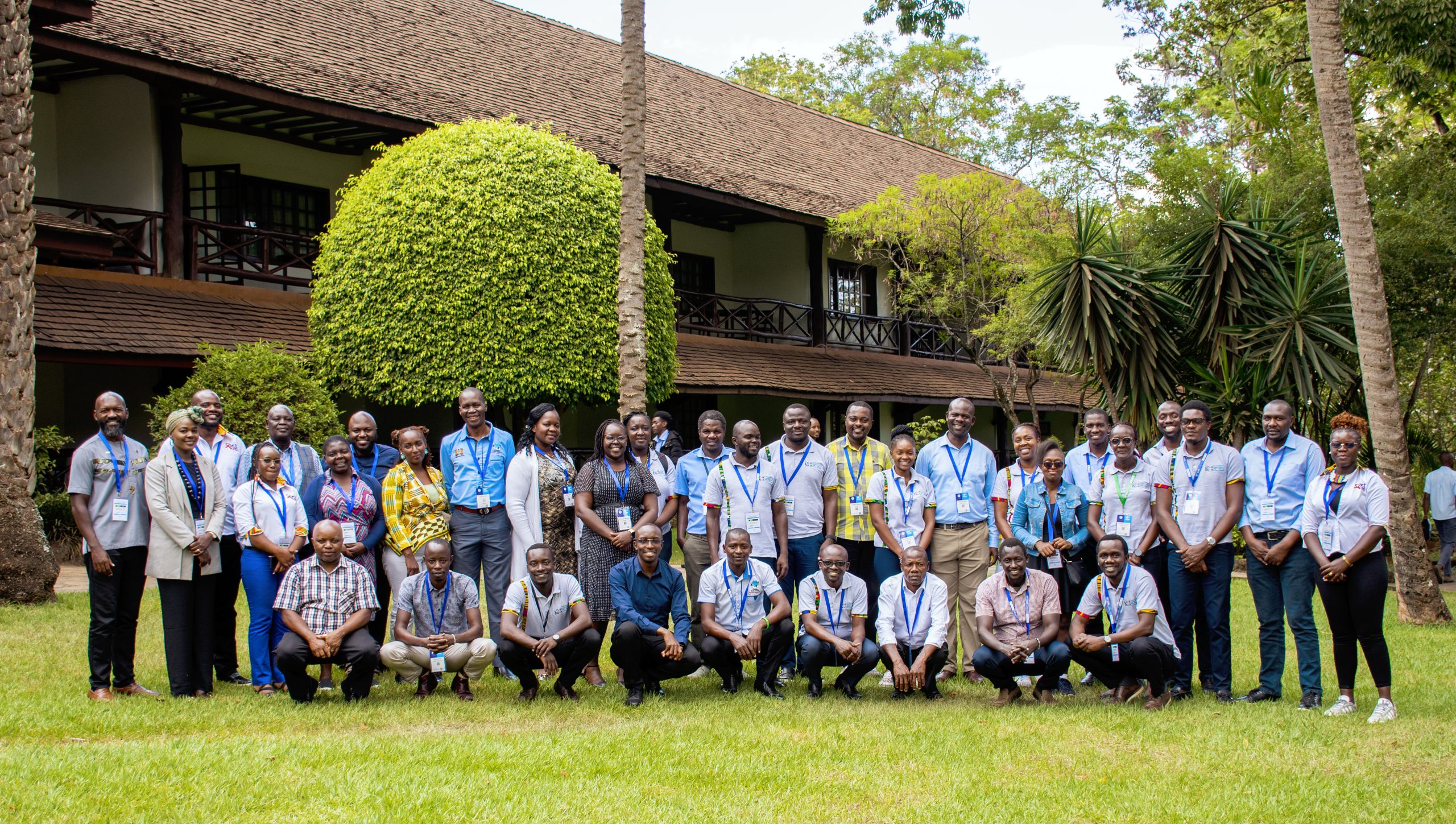
Nairobi, Kenya – LVCT Health took centre stage at the 16th KEMRI Annual Scientific and Health (KASH) Conference, held between February 10 and 13, 2026, in Nairobi, to demonstrate how community-led innovation is the key to achieving Universal Health Coverage (UHC). Our team had a significant presence at the conference, showcasing a series of abstracts that highlighted our innovative work in Homa Bay County. Under the conference theme of building a resilient UHC, we shared compelling evidence from the field, where our NIHR C-it DU-it (See-it, Do-it) study is tangibly enhancing the quality of maternal health services.
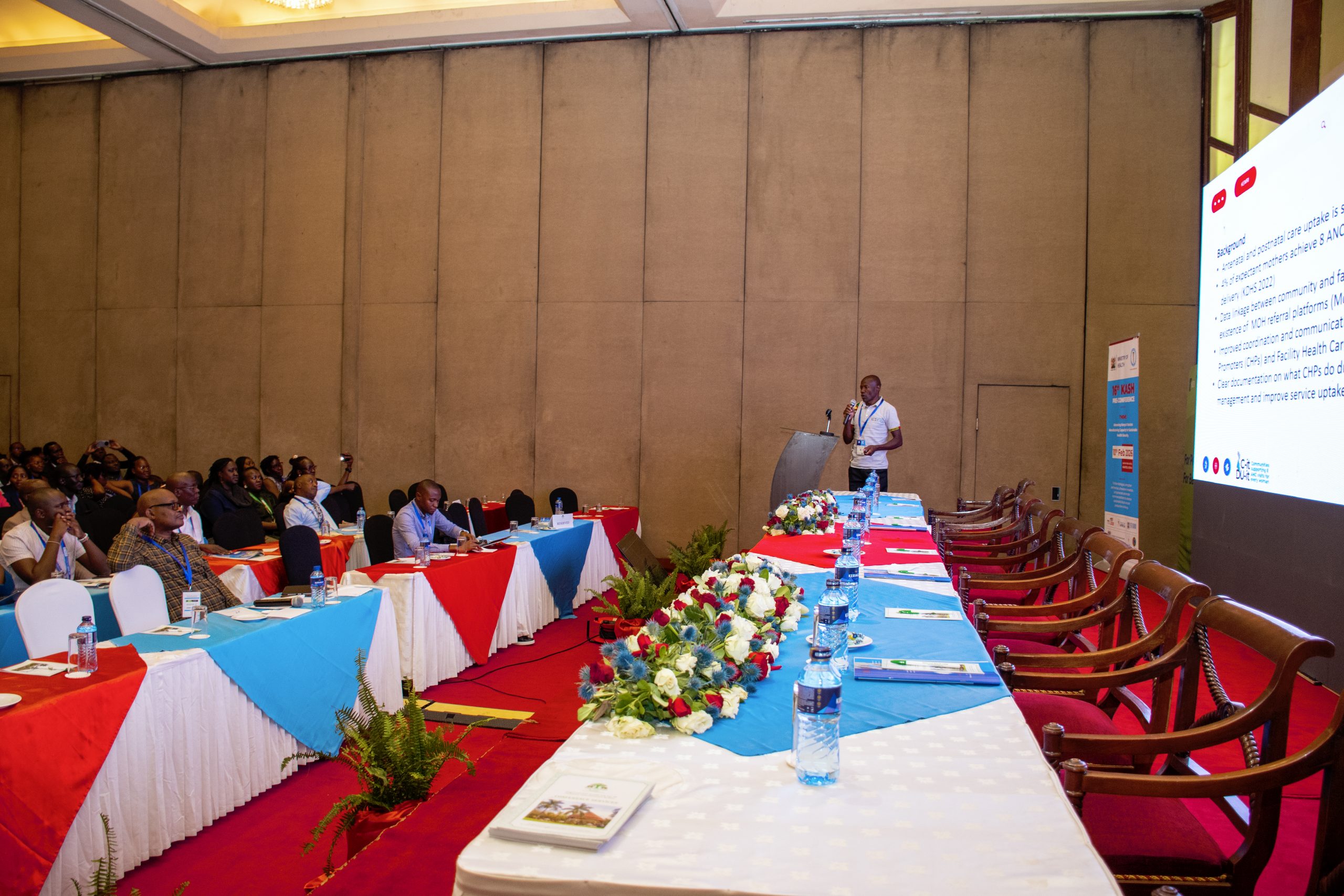
The C-it DU-it study is a prime example of LVCT Health’s Research-Practice-Policy (Hatua) model, proving that implementation science can solve real-world health system challenges. Our team brought this model to life at KASH through a dedicated symposium where we delved deep into the project’s mechanics, featured a detailed showcase of our innovative tools, and convened a high-level panel discussion to translate our findings into actionable policy recommendations.
Fostering Local Solutions for Local Problems
As Kenya transitions to digital health systems like the Kenya Electronic Medical Records (KenyaEMR) and the electronic Community Health Information System (eCHIS), a critical gap has persisted between community-level data and facility-based records. This disconnect often leads to missed antenatal appointments and delayed care. The series of abstracts presented by our team at KASH illustrated how C-it DU-it addresses this not just with a tool, but with a people-centred approach.
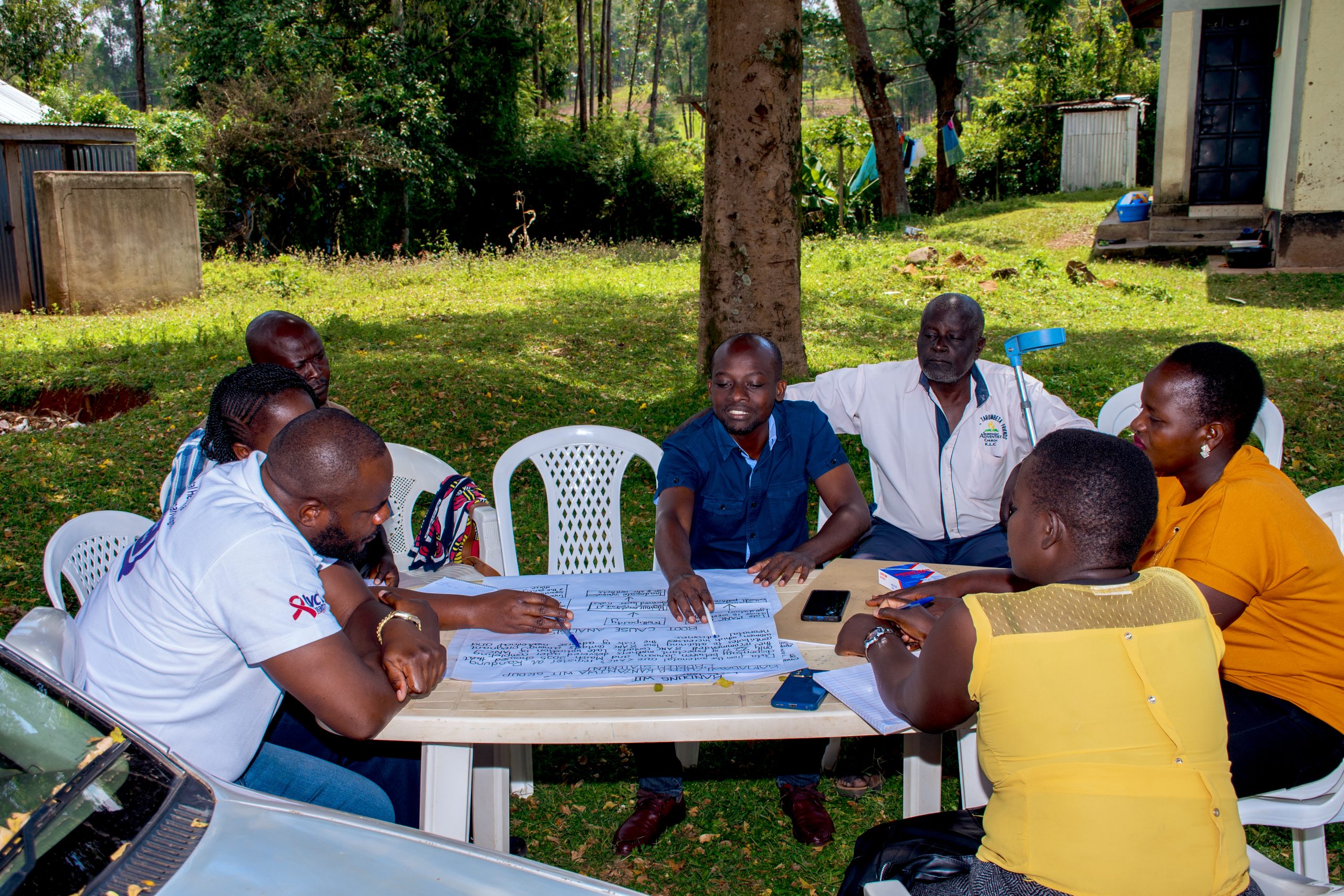
At the core of this success is the formation of Work Improvement Teams (WITs). These teams bring together facility health workers and community stakeholders, including the very Community Health Promoters (CHPs) who are the backbone of the health system. By working side-by-side, these WITs are empowered to analyze linked data and, crucially, develop immediate, targeted, and locally relevant solutions to ensure that accountability and action are shared, fostering a true sense of ownership over maternal health outcomes in Homa Bay.
The ‘Silent Supervisor’: Elevating the Role of CHPs
The practical engine of this enhanced quality of care is the Community Household Antenatal Record Tracker (CHART). During our symposium, our team conducted an in-depth showcase of the CHART tool, demonstrating its intuitive design and profound impact. This simple, paper-based tool is inserted into the mother-child booklet, acting as a tangible link between the home and the clinic. In areas with limited connectivity, CHART ensures that no pregnancy falls through the cracks.
CHART has been embraced by the Community Health Promoters as the “silent supervisor.” For the first time, the critical work of CHPs of capturing pregnancy data, tracking WHO-recommended eight ANC contacts, and flagging missed appointments during household visits is given a formal, visible platform.
It ensures that the rich data gathered at the community level is no longer siloed. By requiring sign-off from both the CHP and the facility health worker, CHART facilitates a clear, two-way communication channel. The facility now has a reliable, real-time window into community activities, validating the CHP’s role and ensuring that vital information leads directly to timely, life-saving follow-ups.
From Research to Policy
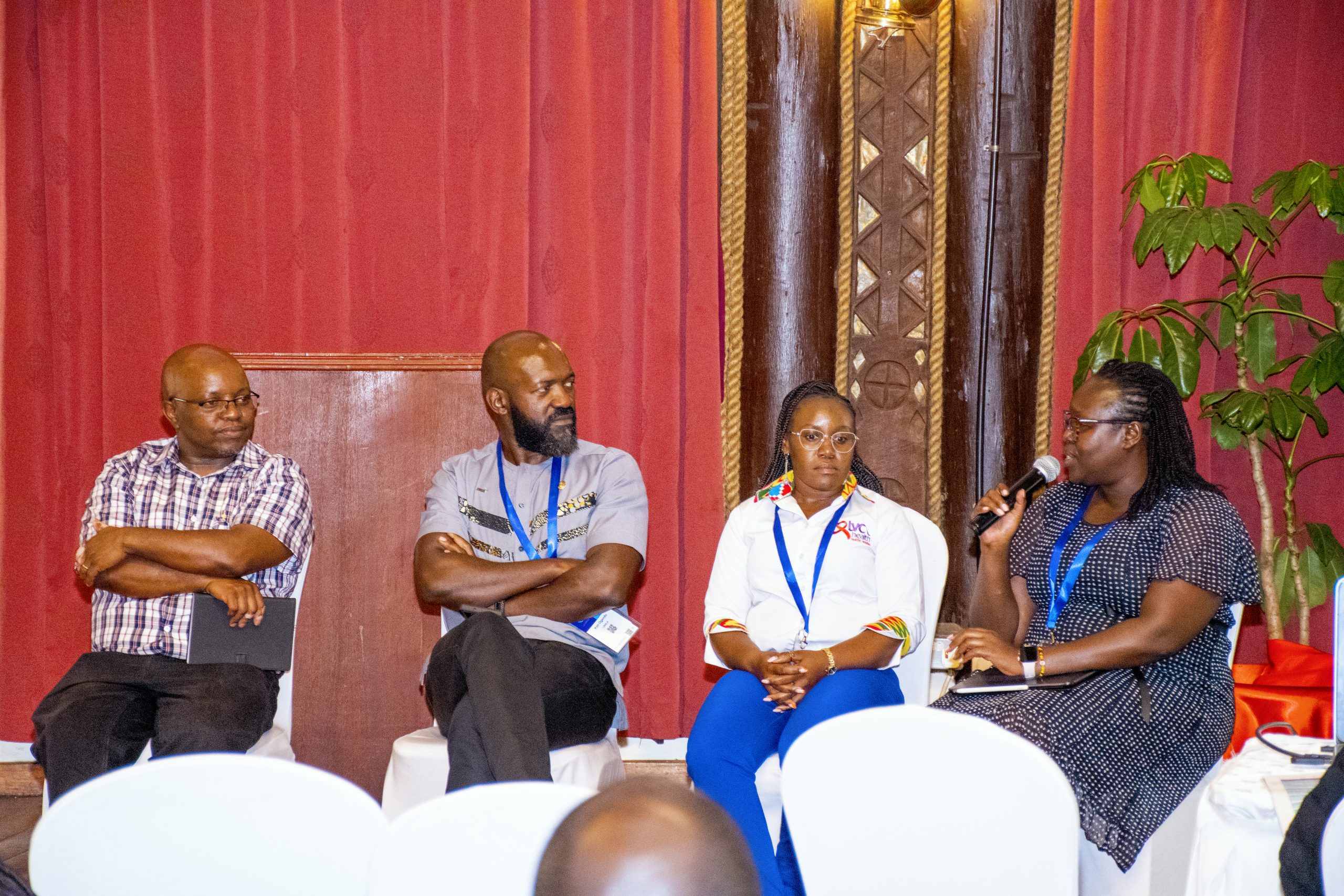
The momentum generated by our research and the CHART tool culminated in a dynamic panel discussion on policy during our symposium. Bringing together implementers, researchers, and health managers, the conversation focused on how the successes in Homa Bay can be scaled and institutionalized. The panel underscored that for UHC to be truly resilient, policies must be informed by evidence from the ground, and the voices of CHPs, empowered by tools like CHART, must be central to the dialogue.
Through C-it DU-it and our comprehensive presence at KASH 2026, LVCT Health is proving that resilient UHC starts when communities are equipped not only with tools, but with the authority to act. By enhancing the quality of maternal health services in Homa Bay County and beyond while giving visibility to Community Health Promoters, we are building a health system that truly responds to the needs of the community.