
Built Before the Flood: Homa Bay’s Community Health Workers Are Holding the Line
Written by Millicent Ouma, Research officer at LVCT Health
Innovation doesn’t always look like new machines or big budgets. Sometimes it looks like sitting under a tree with Traditional Birth Attendants (TBAs), mapping their locations, and having honest dialogue about antenatal care (ANC).
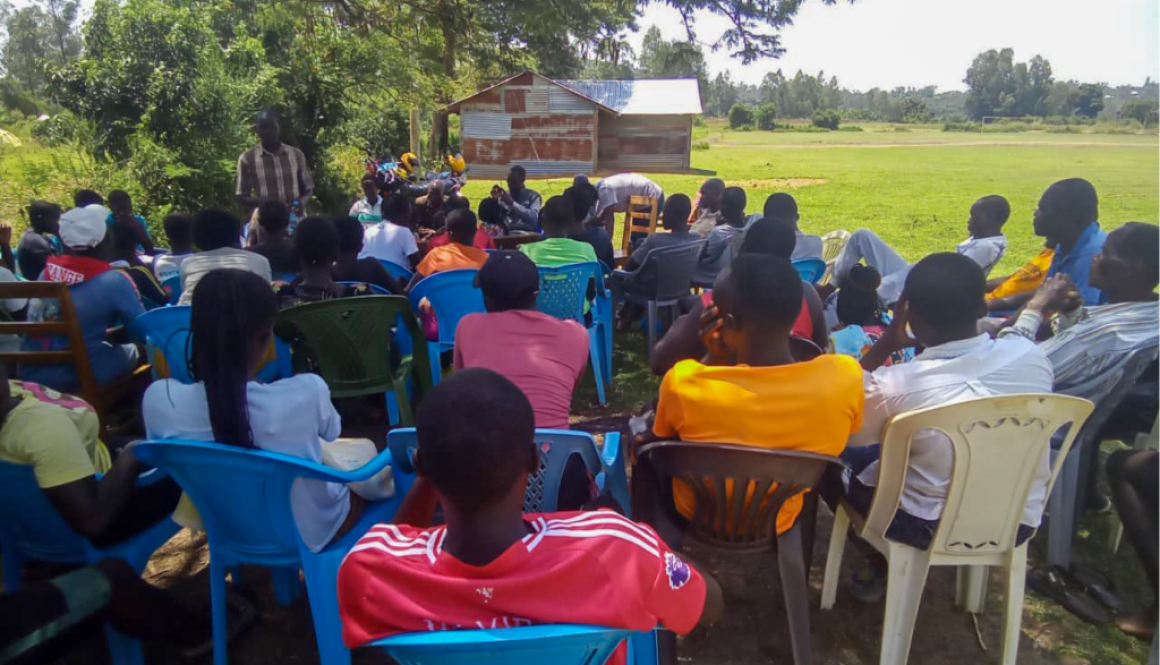
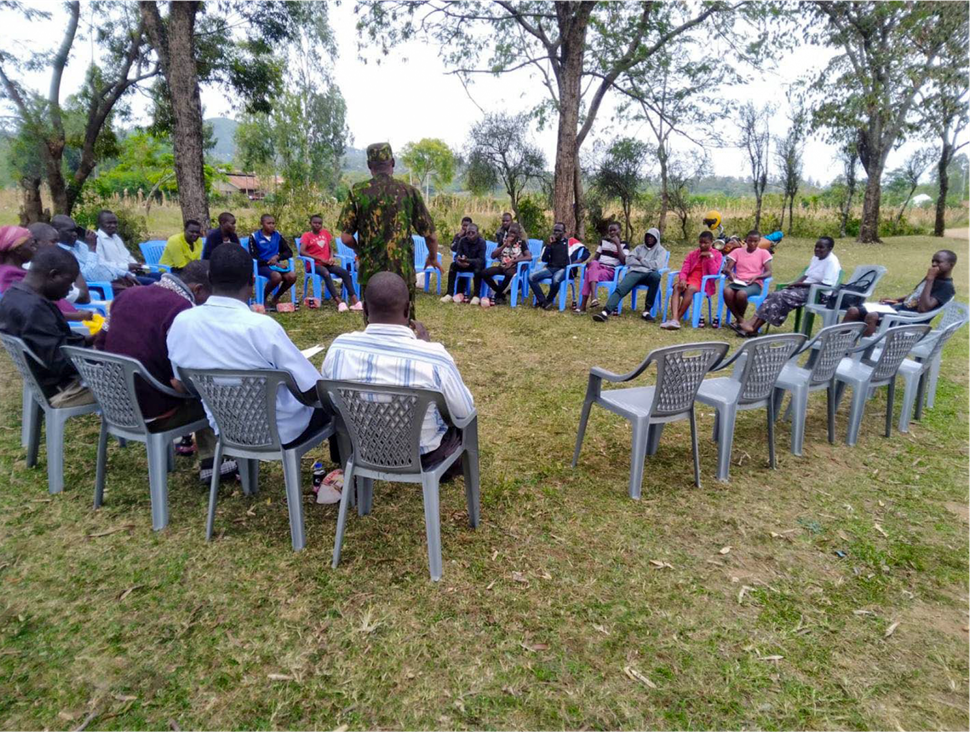
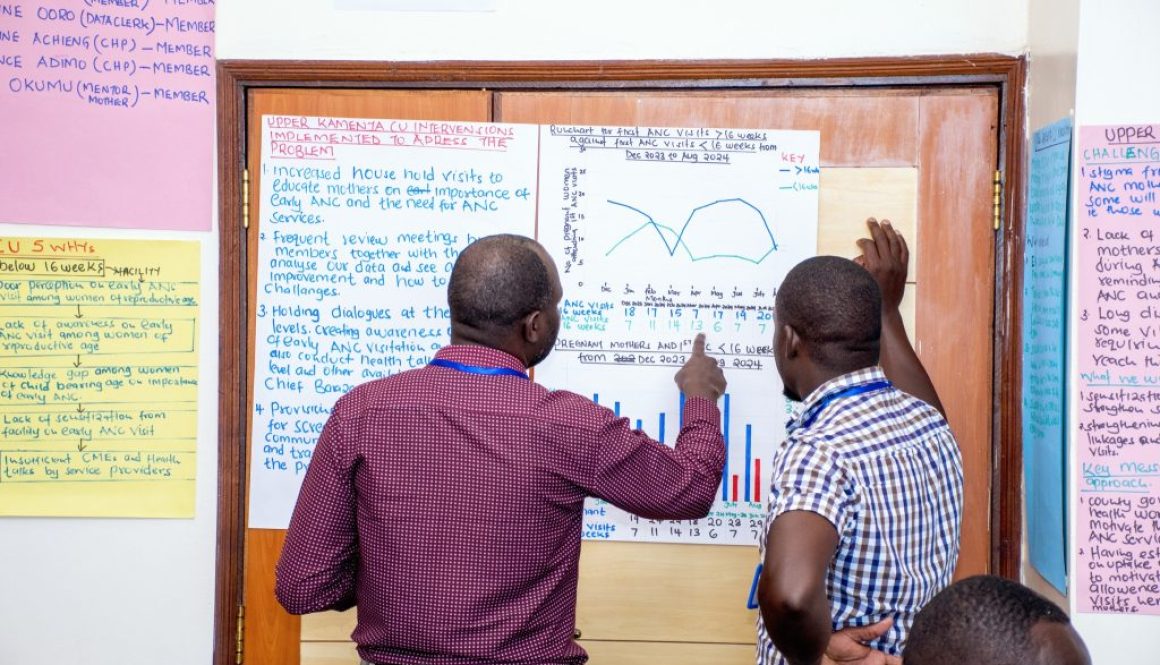
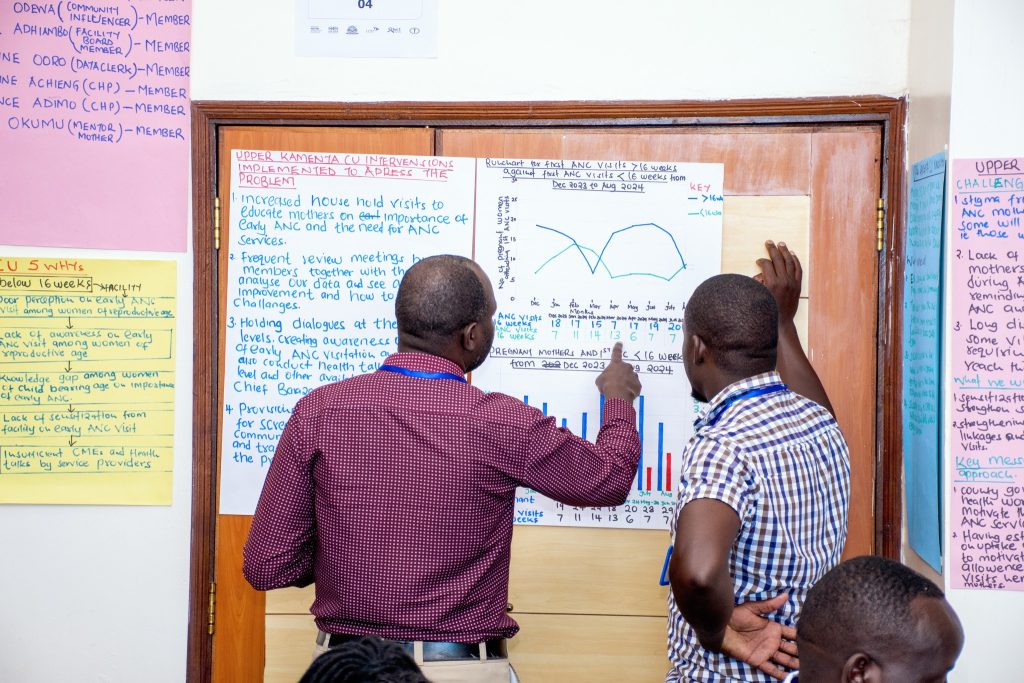
That’s what Work Improvement Teams (WITs) under the C-It-Du-It project (pronounced “see-it-do-it”), a consortium of Lvcthealth, Liverpool, KEMRI, and the Ministry of Health, have been doing in communities across Homa Bay County. One of the many innovations WITs have used to increase ANC attendance at health facilities is mapping TBAs village by village, talking with them about why ANC visits at health facilities matter, and linking expectant mothers to Community Health Promoters (CHPs) so fewer mothers rely on TBAs alone. It is grassroots work built to close the gap the WHO warns about: too many mothers starting ANC late, and too few completing the recommended eight contacts, a gap that drives poor maternal and neonatal outcomes.
On July 28, 2026, nurses across Kenya walked out. Homa Bay’s facilities, already strained by an earlier doctors’ strike this year, went quiet again. Now in its second week nationally, the strike has left maternity wards overwhelmed and understaffed, with the Kenya Obstetrical and Gynaecological Society warning that care for pregnant mothers is deteriorating fast.
The Setback
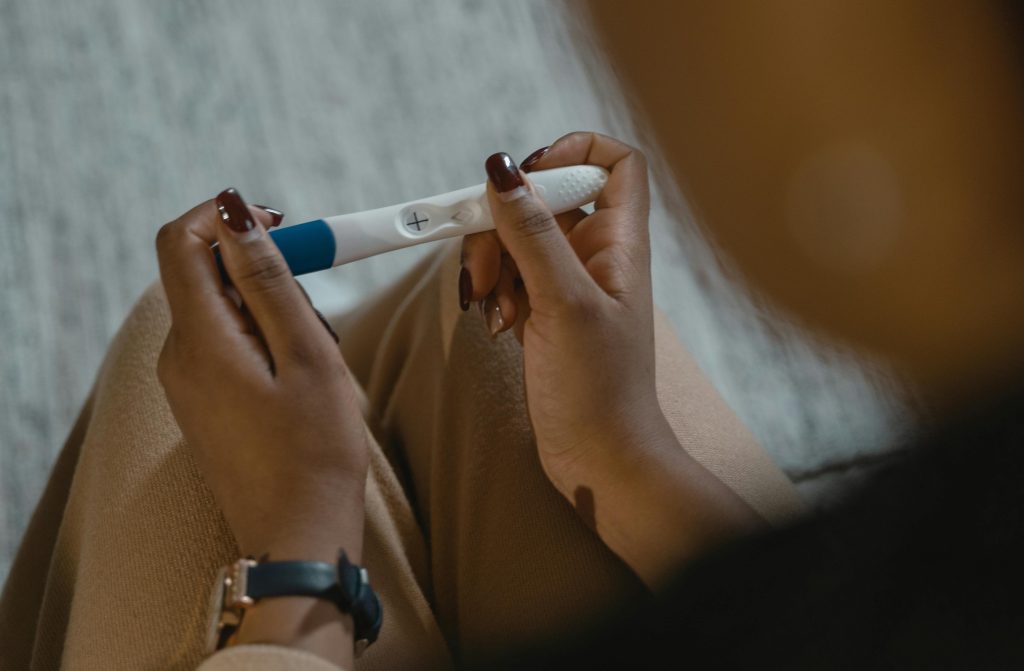
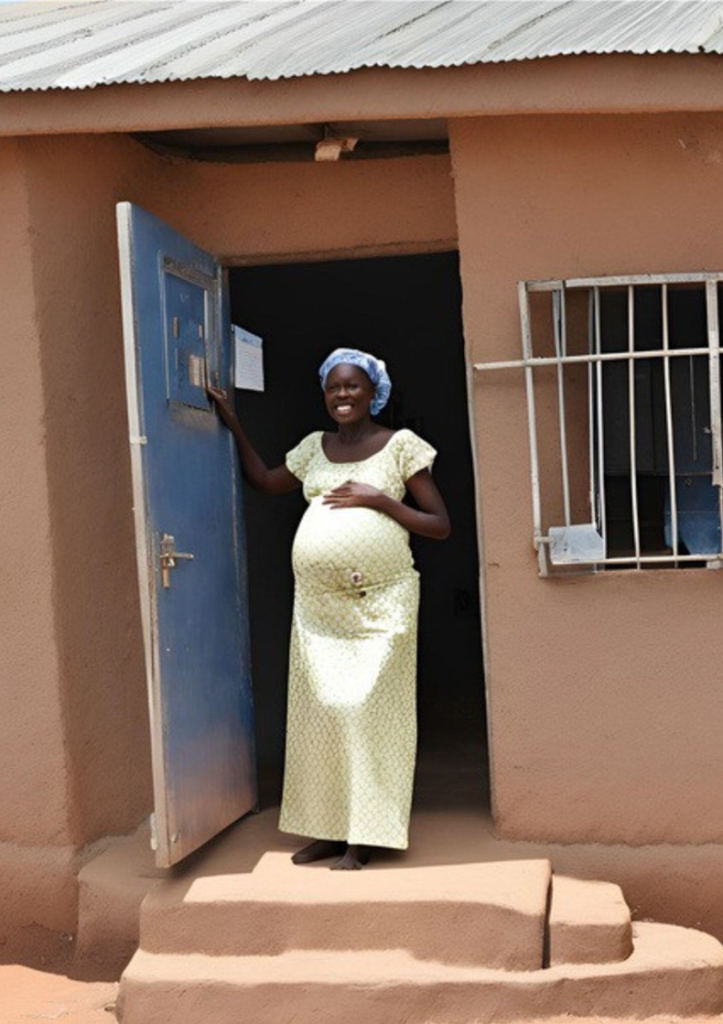
Overnight, months of trust-building felt undone. With facilities closed, ANC mothers have nowhere to go. Many are being pushed back toward TBAs, who never go on strike and remain affordable and close.
This fear runs loud among WITs: “Imagine, so many ANC mothers who currently come to the facility have no one to attend to them. They are being turned away. We share this with the staff over phone call, but they also say their hands are tied, they cannot rescue the situation,” said one WIT chair during a WIT meeting I attended.
We understand why ANC mothers would prefer the TBAs. Transport to the facilities costs money. Waiting costs time. Even, when mothers sacrifice their meagre income and time to make the journey, the strike stands as a stumbling block to the care they need, while the TBA is right there. But we also know the risks: TBAs do not perform ANC profiles, they cannot manage complications, and every mother redirected back to them is a mother at higher risk.
Keeping the Bridge Standing While the Strike Lasts
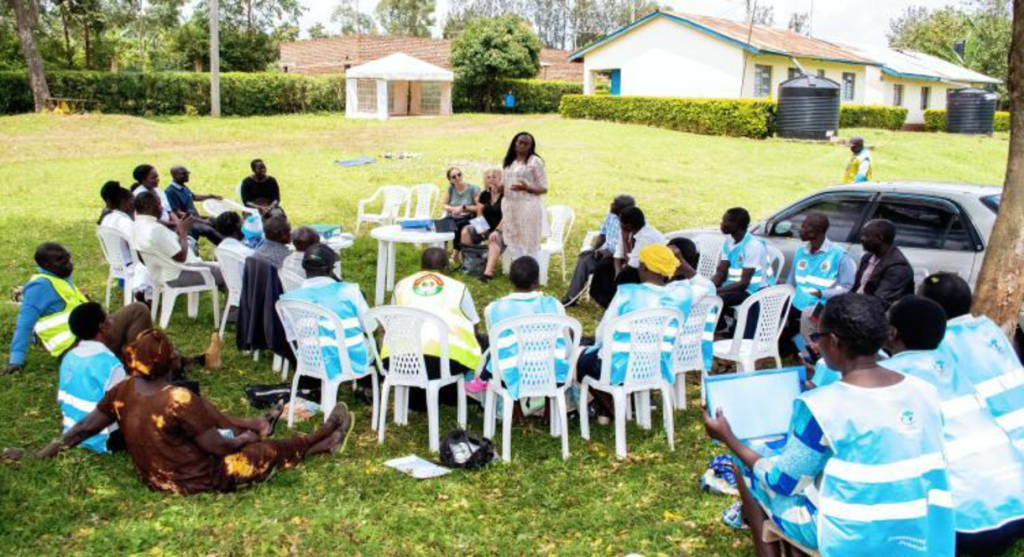
Having already mapped and built dialogue with TBAs, the WITs and CHPs are keeping home visits going, since CHPs are the first level of care. They continue identifying pregnancies at household level, checking and counselling ANC mothers and pregnant adolescent girls, tracking due dates and birth plans, and teaching danger signs. The mapped TBAs continue to serve as first-contact and referral points, flagging emergencies immediately. The CHPs have been carrying a simple message to mothers: the facility is closed, but you are not alone, see your CHP, and return to the facility once it reopens.
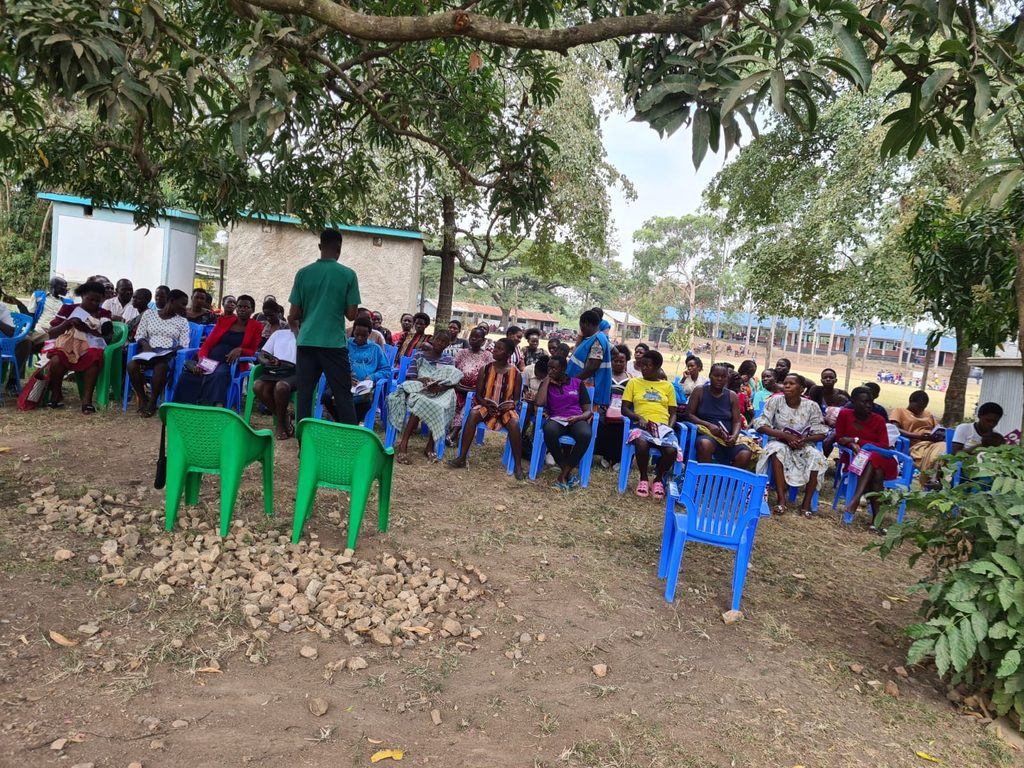
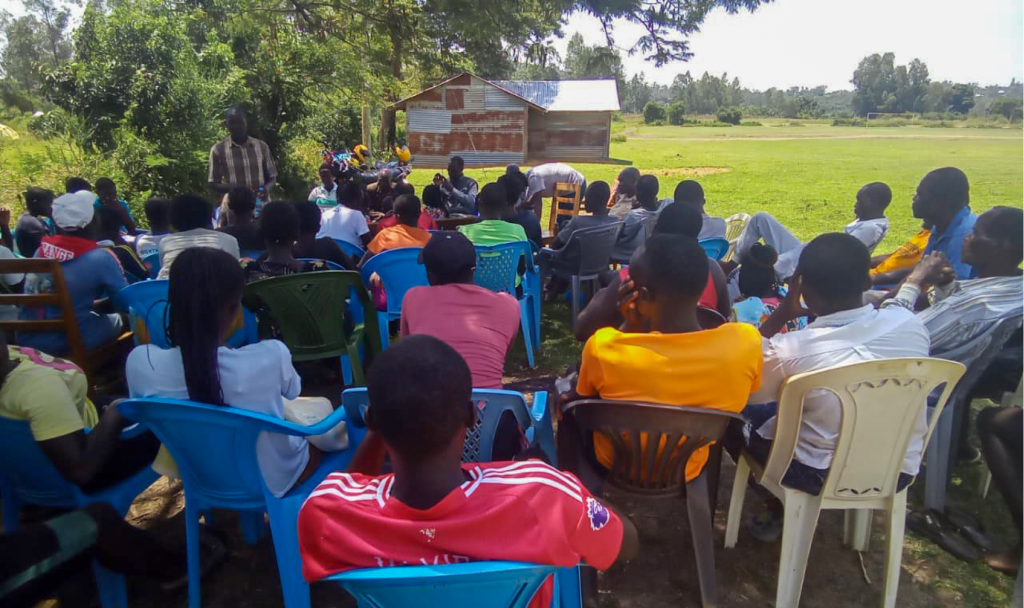
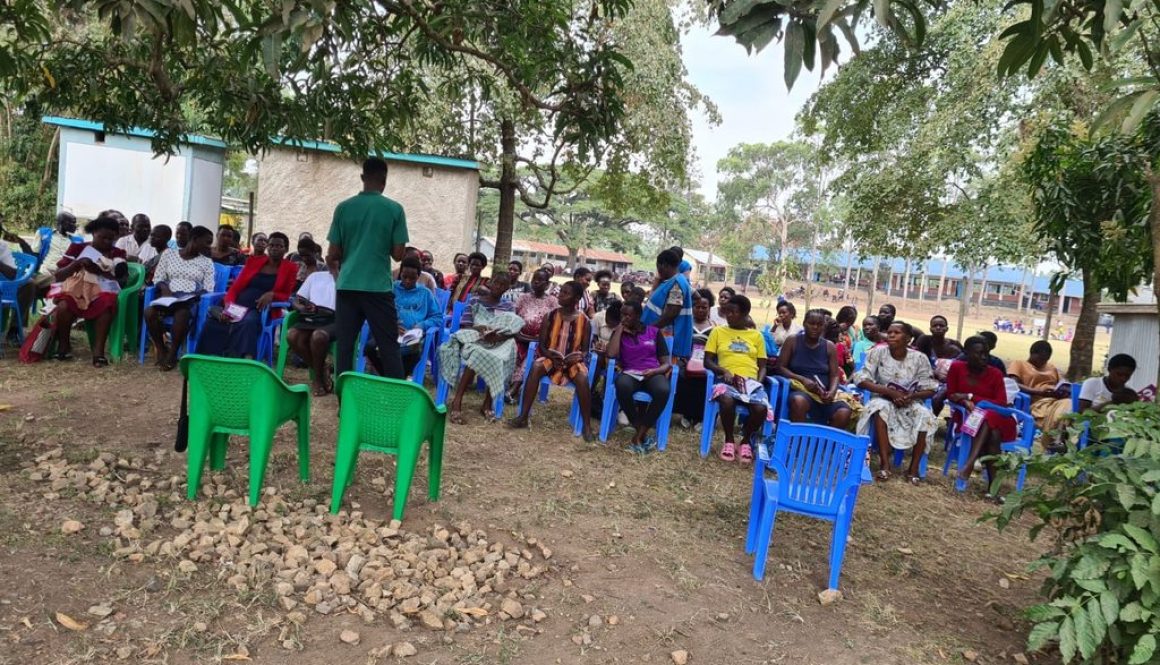
Nyalkinyi WIT: CHPs_TBAs_ANC mothers meeting
The Bigger Lesson
This strike exposed three hard truths:
- Access gaps kill progress. When facilities close, communities default to whatever is available.
- Affordability matters. TBAs win because they are cheap and close.
- Community systems are the safety net. Without WITs and CHPs, these mothers would have been invisible.
The mapping work has not been wasted. It’s the reason pregnant mothers and adolescent girls can be pulled back to facilities quickly once services resume because the trust is already there.
Call to Action
- To county and national leaders: Protect community health systems during strikes by motivating CHPs. Equip them with ANC commodities like functional blood pressure machines, thermometers, colour-coded MUAC tapes, and pregnancy and malaria RDT kits to ensure effective household visitation and assessment. Fund dialogue with TBAs. Don’t let a strike erase months of community work. Resolve this dispute before more mothers pay the price.
- To mothers: Your life matters. Don’t stay silent if you feel unwell, your CHP is still here. A strike should not force you to choose between no care and unsafe care.
- To the WITs: Continue mapping and deepening dialogue with TBAs. This ensures continued linkage of new and old ANC mothers and pregnant adolescent girls to CHPs and to health facilities. Walk with the community, even in crisis. You built the bridge before the flood. Now you must keep it from being washed away.
#MaternalHealthKenya #HCWsStrike #TBAs #ANC #HomaBay