Edwin Nguku
Posts by Edwin Nguku:
A Festival of Learning
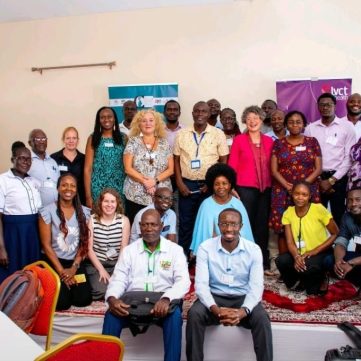
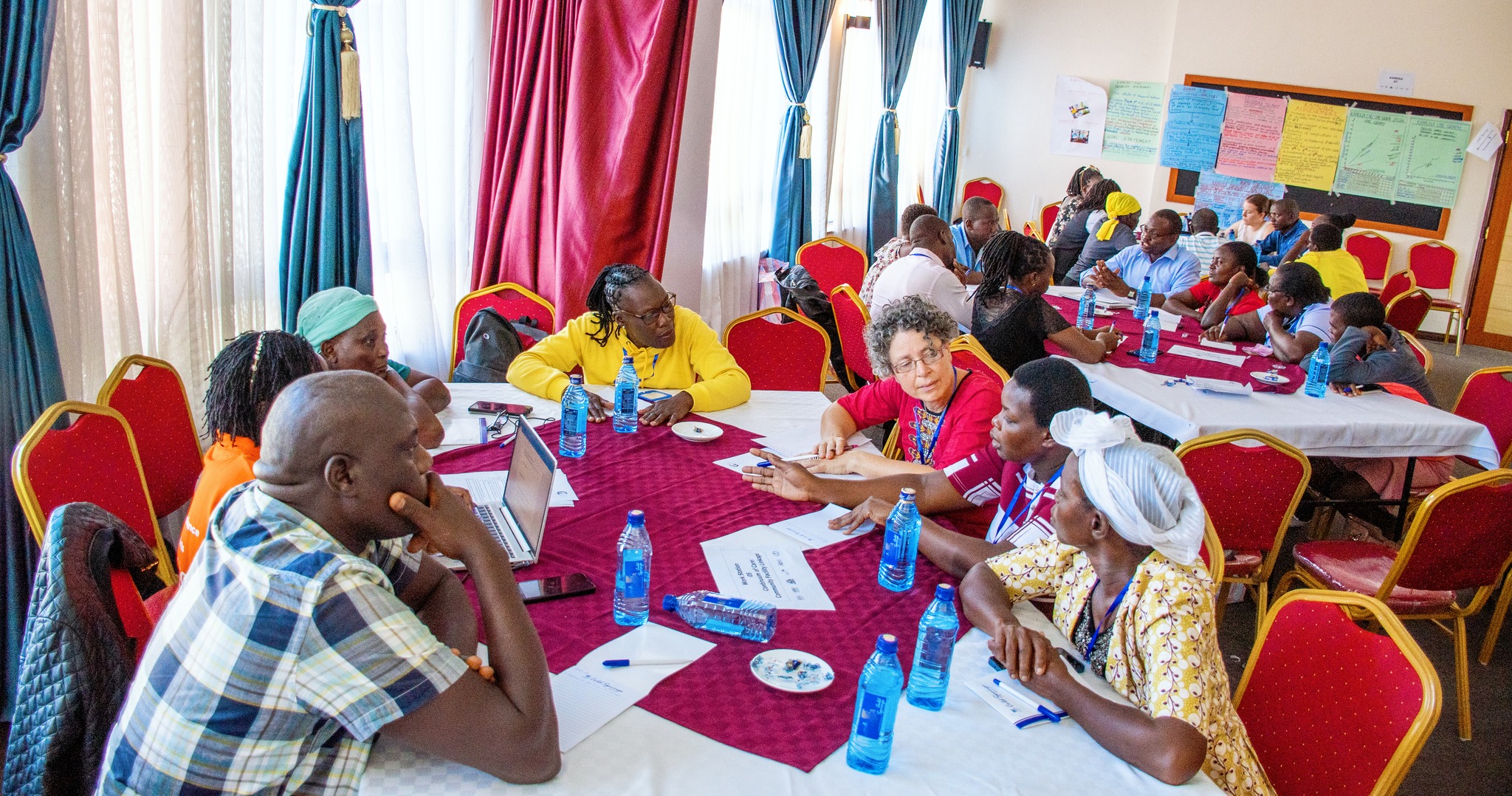
“C-it DU-it” hosted its first Learning Event in Homa Bay in October 2024. This was the first time for the Counties 16 Work Improvement Teams to meet, learn and share local innovations around early identification and referral of pregnant women. Nobody could ignore the palpable energy in the air as the Work Improvement Teams (WITs) arrived from all over Homa Bay. WITs displayed their hand drawn posters, transforming the conference room into one huge talking wall. Representatives from all levels came to learn and understand more about C-it DU-it and the WITs. More than 130 participants included community leaders, adolescents, community health promoters (CHPs), community health assistants (CHAs), in-charges, sub-county and county representatives from Homa Bay, Migori and Kisumu, implementing partners, national leaders from the Community Health Division and the Department of Primary Health Care and international collaborators from Liverpool.
Making every contact count; My eye opening experience at the C-IT DU-IT learning event
This past week was truly impactful for me, thanks to the C-it DU-it 2nd Learning event organized by LVCT Health in Homa bay.
It was my first time learning about LVCT Health and the incredible work the organization is doing to strengthen community health systems. Their impact in Homa bay is nothing short of inspiring, and I knew I wanted to experience it firsthand.
As a medical student, we’re taught that pregnant women should attend at least 8 antenatal care (ANC) visits, as recommended by WHO. On paper, this seems straight-forward and attainable but in reality various social, economic, and logistical challenges prevent many women from accessing these services.
I was impressed to see how LVCT health is bridging this gap through community Health Promoters (CHPs); bringing care closer to the people and truly making every contact count!
One initiative that really stood out to me was from a CHP who created a WhatsApp group for pregnant women in the same trimester. This simple but powerful idea not only builds a sense of community, encourages peer learning but also motivates mothers to attend their ANC visits consistently.
As someone passionate about Sexual and Reproductive Health and Rights (SRHR),I deeply admired the team working with pregnant adolescents. I appreciate how they approach this issue head-on; creating safe spaces where young mothers receive guidance, education and emotional support as they prepare for motherhood. That level of care and respect is something I truly value.
Although the learning event lasted just two days, it was incredibly eye-opening. It gave me real-world context to what we learn in the classrooms and the hospitals, helping me understand the journey of care long before a patient reaches a facility.
I’m deeply grateful to LVCT Health for this opportunity. I look forward to more such learning experiences and to seeing the continued impact of C-it Du-it in improving maternal health outcomes in our communities.
Truly, I love this for our mothers.
Thank you, LVCT Health. ❤
By Cellestine Ngichu
Medical student and C-it Du-it learning event participant.
#MakingEveryContactCount
Breaking The Silence on Unskilled Deliveries: Understanding Mother’s Voices in Homabay County
“It was raining so hard, and I had no way to reach the hospital,” recalls Atieno*. Naomi’s* story echoes hers: “It was late at night, and I couldn’t find a motorbike. The roads were flooded, and no one was around to help.”
These are not singular occurrences. They represent the prevailing reality for many women in Homa Bay County, where giving birth outside a health facility is reality rather than the exception. Across the County, too many women still deliver outside health facilities, not out of choice, but because systems designed to protect them are failing.
Unskilled deliveries are widely recognized as a contributor to maternal and neonatal complications and a reminder that policy gaps can have life-and-death consequences. The C-IT DU-IT study (Community Data Use for Integrated Antenatal Care) amplifies the voices of pregnant women and mothers to better understand the barriers and challenges they face in accessing skilled delivery.
Why So Many Women Deliver at Home?
Night-time Deliveries and Transport Challenges
Many testimonials highlighted the frequent commencement of labour during the night, often compounded by lack of transportation. Mothers recalled instances of heavy rain and impassable roads, illustrating the urgent need for improved rural infrastructure and reliable night-time transit options. Atieno* recalls “It was heavily raining and I had no means to reach the hospital.” While for Naomi* “It was late at night, and I couldn’t find a motorbike. It was raining heavily, the roads were bad, and transport wasn’t available.’’ In rural areas, poor roads, insecurity, and the high cost of transport at night leave many women with no option but to deliver at home.
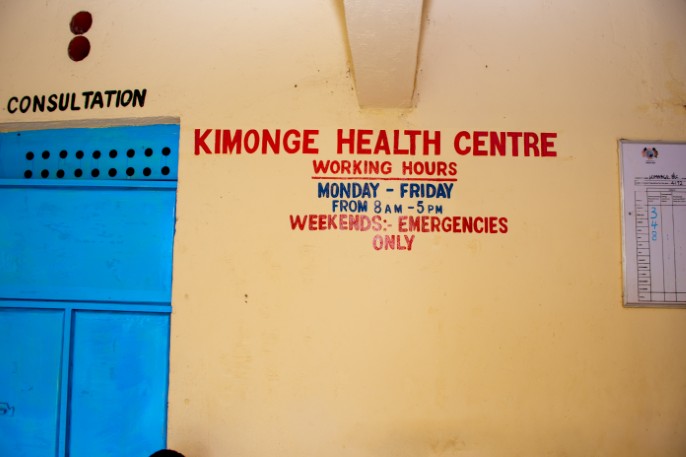
“The nearest facility was closed at night, so I went back home.” “On my way to the facility I was told it was closed, then I decided to go to a traditional birth attendant.” “Nurses were on strike, so I went back home where I delivered,” Recall from three mothers. Even when women attempt to reach health facilities, access is not always guaranteed. Closed health facilities and disrupted services, sometimes due to industrial actions like strikes, further emphasize the gap between healthcare availability and need. These gaps reinforce home deliveries and traditional birth attendants. The narratives highlight an area ripe for policy intervention—ensuring round-the-clock operation and resource availability in health centers, especially in rural locales.
Sudden and Unpredictable Labor
Abrupt onset of labor also emerged as a recurring reason for home delivery. For some mothers, the duration between labor pains and delivery was too short to allow travel. “The pain came abruptly and within minutes I delivered,” one woman said. “I delivered before reaching the health centre,” another recalled. Some mothers admitted to not recognizing early labor signs: “I didn’t know it was labor, it caught me unaware.” These experiences highlight the importance of antenatal education on early signs of labor and birth preparedness planning.
Lack of Support and Companionship
Social support is critical during childbirth, yet many mothers reported being alone when labor began. “I was alone at home at the time of labor,” one explained. Another noted, “My spouse was not around when labor kicked in.” The absence of a birth companion or partner often prevented women from seeking care in time, particularly at night.
Financial Barriers
Despite the official provision of free maternal services in Kenya, hidden costs and a fear of out-of-pocket expenses deter many from seeking skilled care. A mother explained, “I was not registered to SHA, so I feared I wouldn’t afford the delivery fee.” Another admitted, “I didn’t have health insurance.” These financial concerns, combined with transport costs, contribute significantly to delays in seeking skilled care.
Implications for Maternal Health
These shared experiences underscore that unskilled deliveries often result from systemic and socioeconomic barriers, rather than personal choice. These circumstances significantly increase the risks associated with home-based deliveries, including complications, miscarriages, and maternal and neonatal mortality.
Way Forward
Addressing unskilled deliveries requires comprehensive strategies aimed at systemic reform. Key measures include:
- Service Availability: Ensure every facility operates 24/7, with trained staff and reliable power and supplies.
- Transport and Referral Improvements: Invest in rural transport and referral including ambulances and all-weather roads.
- Health insurance: Expand health insurance coverage and eliminate hidden costs that deter care.
- Strengthen Community-Based Emergency Responses: Every village should have a plan for safe delivery.
- Education and Support: Advocating for antenatal education and involving families in maternal health planning
A shared responsibility
The women of Homa Bay have spoken clearly. Their voices are data and testimony revealing that unskilled deliveries are not mere oversights but reflect larger systemic inadequacies and day-to-day challenges. By carefully considering their experiences and addressing the barriers they face, stakeholders can collaboratively work towards encouraging safer deliveries within healthcare facilities.
Because every mother deserves the chance to give life safely not as a privilege, but as a fundamental right.
*Names changed for confidentiality purposes
written by; JOHNBOSCO OMASAJA, Clinical Officer & Research Officer at KEMR
Behind the Research: Dr. Gerald Ong’ayo – Building Health Systems That Work
When I first approached Gerald with a request to tell us about him and his PhD journey, he responded with warmth, curiosity, and an openness that stayed with me. Despite a full schedule and mounting deadlines, he agreed to take part in this new series profiling PhD students. A few weeks later, he returned a thoughtful and honest account of his journey, offering a window into the realities of research, family life, and the quiet resilience required to pursue a PhD in Global Health.
Read the full story at: https://www.lstmed.ac.uk/news-events/blogs/behind-the-research-dr-gerald-ongayo-%E2%80%93-building-health-systems-that-work
Behind the Research: Rosemary Musuva – Every Antenatal Visit Counts!
Discover the inspiring journey of Rosemary Musuva, a Senior Research Officer at LVCT Health and PhD candidate, in her recent blog post, “Behind the Research: Every Antenatal Visit Counts!” Rosemary shares her personal and professional insights into improving maternal health in Kenya, exploring the shift to eight WHO-recommended antenatal care visits. Learn about her innovative research, challenges, and dedication to saving lives.
Read the full story at: https://www.lstmed.ac.uk/news-events/blogs/behind-the-research-rosemary-musuva-every-antenatal-visit-counts.
Linking Communities and Health Facilities for Better Care in Pregnancy
The Challenge
In many Kenyan counties, pregnant women first engage with Community Health Promoters before reaching antenatal care (ANC) services at health facilities. But communication gaps between the community and the clinic often mean delays, missed appointments, or duplicated records. With Kenya now aiming for eight ANC contacts during pregnancy, these gaps risk leaving women behind.
The Innovation
Through the C-it DU-it programme, we developed a unique electronic linkage module that connects two government systems:
- eCHIS (electronic community health information system), and
- KenyaEMR (facility-based electronic medical record).
For the first time, referrals can move smoothly and electronically between the community and facility, allowing referrals and follow-ups to be tracked and monitored in real time when systems are online. This innovation is critical because until now, the two systems worked in isolation, leading to duplication, gaps in care, and poor data use. The linkage brings:
- Continuity of care – women can be followed from household to facility.
- Better decision-making – complete, accurate data at all levels.
- Efficiency – reduced duplication and errors.
- Trust and accountability – stronger links between communities and health facilities.
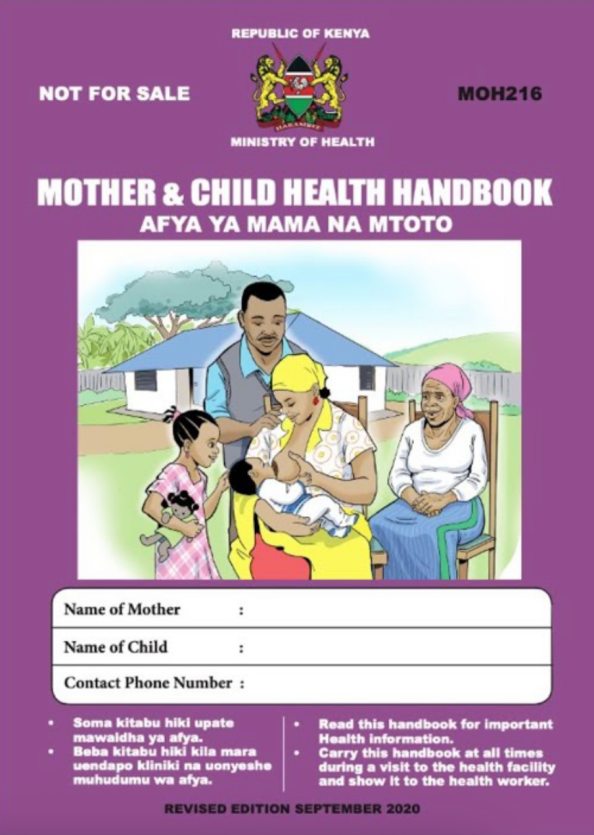
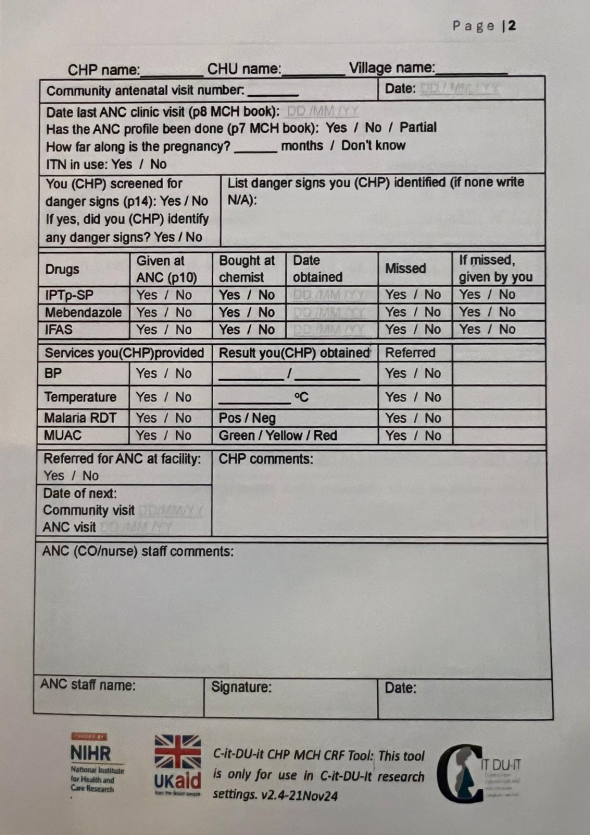
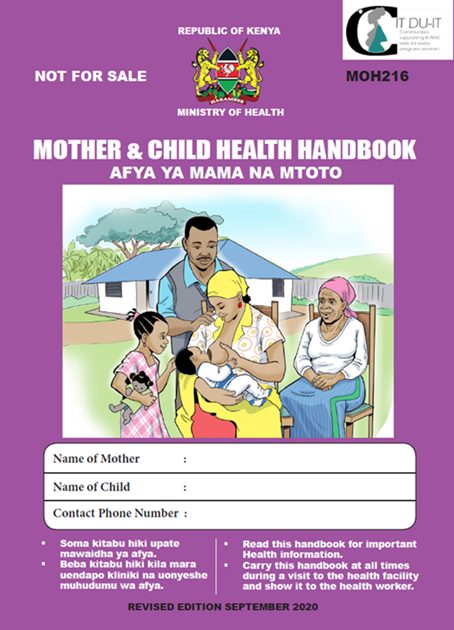
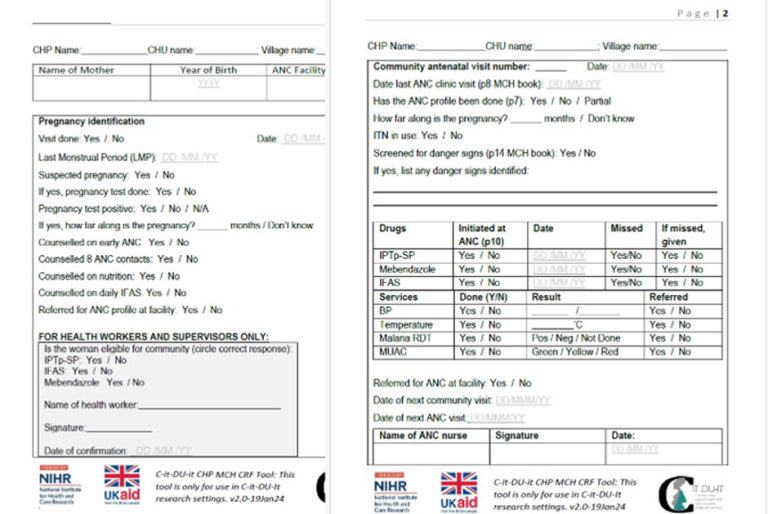
To complement this, we also adapted the widely used Mother–Child Booklet, creating the Community-Enhanced Mother-Child Booklet. Rather than altering its existing content, we simply added a dedicated section for Community Health Promoters to record household visits. This means that facility staff can view a woman’s full history at a glance. Both facility teams and community units report that this small adaptation has transformed coordination, improved trust, and saved time.


The Impact
The adapted Mother-Child Booklet has quickly become more than just a record: it is seen as a silent supervisor, an accountability tool, and even a source of motivation for Community Health Promoters (CHPs). Nurses value being able to see at a glance who the CHP has already visited, while CHPs appreciate that their work is visible and recognized.
One CHP explained, “I ask the woman, ‘who is your CHP?’ then I text them. It helps us follow up.”
The Community Referral Form (CRF) section has become a practical way of communicating between the community and the clinic. It reduces duplication, ensures timely follow-up, and strengthens collaboration: “The CRF helps you to do the follow up … it is another way of supervision and appreciation.”
While a few challenges remain, such as women living with HIV not always wishing to share their booklet, the overall feedback is overwhelmingly positive. Health workers describe it as simple to use, not burdensome, and a tool that should continue even after the C-it DU-it project ends: “When C-it DU-it leaves, the CRF must remain … it should be adopted nationally!”
Through training and joint support, the CRF has given both CHPs and facility staff a stronger sense of connection, coordination, and purpose. As one CHP put it: “It is a motisha (motivation).”
The Way Forward
The strong endorsement from both CHPs and facility staff who repeatedly stressed that the CRF “must remain” and “should be adopted nationally” has caught the attention of county health managers. Building on this momentum, there is growing consensus that the adaptation should be scaled beyond the pilot counties.
At the same time, the electronic linkage is opening doors for a new era of seamless data use between communities and clinics, not only for ANC but also for wider maternal, newborn, and child health services.
By “seeing it” (C-it) and “doing it” (DU-it), we are making data work for mothers, babies, and health teams alike.
Strengthening Maternal Health in Homa Bay County
LVCT Health, in partnership with the Liverpool School of Tropical Medicine (LSTM) and the Kenya Medical Research Institute (KEMRI), recently advanced efforts to improve antenatal healthcare through the C-it DU-it Study in Homa Bay County.
Over a three-day consortium review meeting, Community Health Promoters (CHPs), health facility staff, and partners reflected on progress, share lessons, and explore opportunities for strengthening maternal healthcare delivery.
The discussions focused on what had been working well, the challenges encountered, and strategies to address them for better outcomes.
📊 Achievements to date include:
- Over 6,500 pregnant women reached with improved antenatal care (ANC) services.
- More than 420 CHPs trained and supported to strengthen linkages between communities and health facilities.
- ANC attendance at targeted facilities increased by 28% in the last year.
- Introduction of digital tools to link community and facility data, reducing delays in decision-making and follow-up care.
- Strengthened referral systems, with over 1,200 mothers-to-be successfully referred for timely ANC and skilled delivery services.
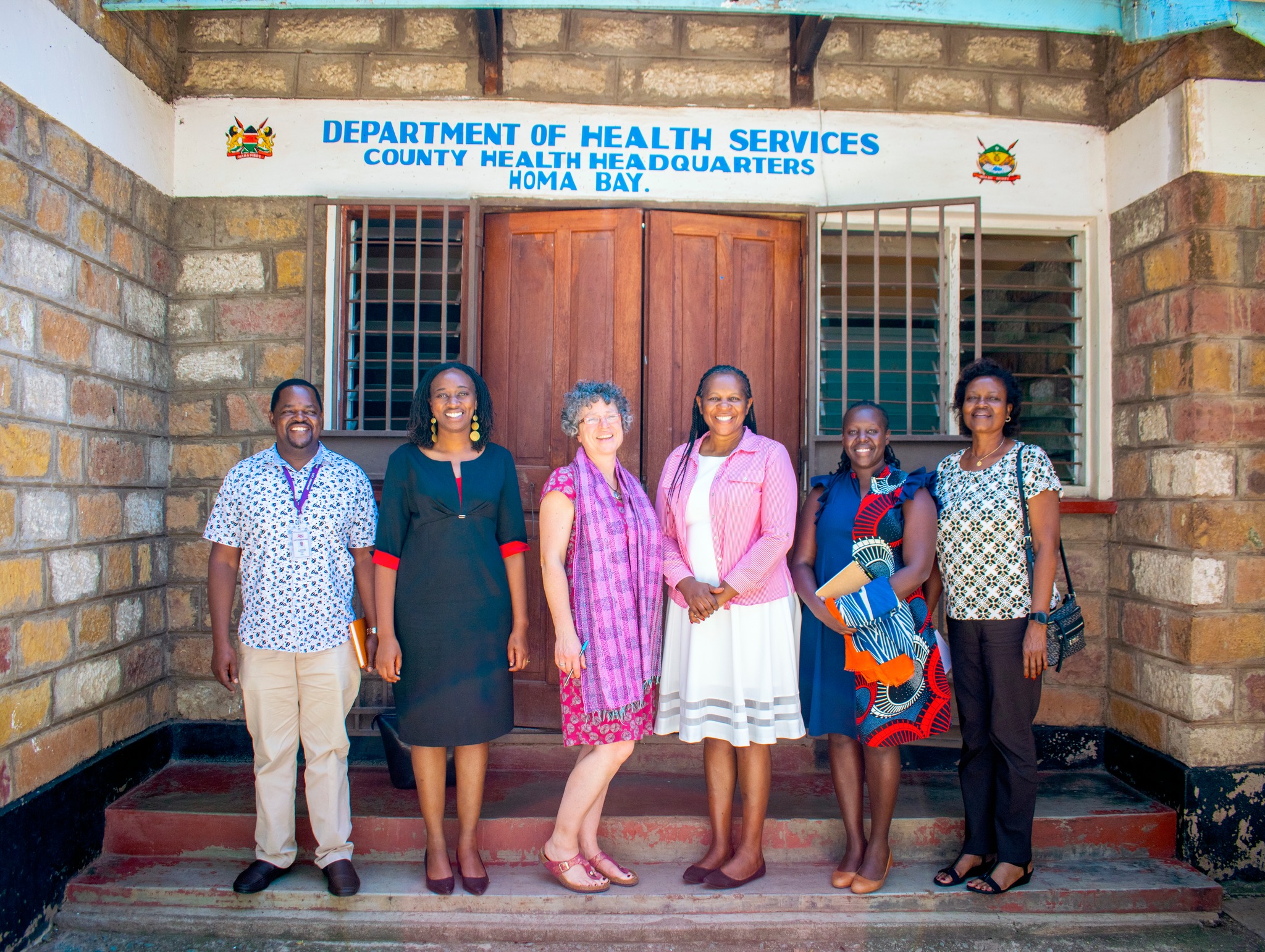
In a spirit of collaboration, the consortium also held a debrief session with Homa Bay County officials, led by the County Executive Committee Member (CECM) for Health Roseline Omollo. The session identified key areas for partnership and highlighted the county’s commitment to strengthening maternal health services.
Speaking during the session, Roseline Omollo noted that “Improving maternal health is at the heart of the county’s agenda. We are happy that this collaboration through the C-it DU-it Study is going to help us identify gaps, strengthen our systems, and ensure that mothers receive the care they need and deserve,”
The C-it DU-it Study, funded by NIHR through the Government of the United Kingdom, is a four-year initiative working in selected facilities across Homa Bay County. Its innovative approach centered on “seeing” linked data (C-it) and “doing” or acting on that data (DU-it) hopes to improve decision-making and responsiveness at both community and facility levels.
By enhancing community health systems and integrating services more effectively, the study seeks to strengthen community health systems by enhancing community and facility health components to improve Antenatal Care (ANC) outcomes by focusing on data quality from the community, so as to achieve the recommended eight ANC visits.
Together, LVCT Health and partners are laying the foundation for healthier communities, resilient health systems, and a brighter future for mothers and families in Homa Bay and beyond.
My work experience in Kenya: Reflections from a Community Health Student
Welcome to my blog post on my week abroad in Kenya, studying community health and nutrition. I’m currently a year 12 student aspiring to study dietetics and nutrition. I’ve already taken up offers to shadow dietitians in primary healthcare and hospital settings in the UK.